NORWEGIAN Cruise Line (NCL) has successfully completed its first advanced biofuel tests, alongside energy companies PRIO and World Fuel Services. The tests were completed with advanced biofuel produced and supplied in Portugal, which allows the NCL fleet to reduce its carbon dioxide emissions by around 30%. Two NCL ships were...
NORWEGIAN Cruise Line (NCL) has successfully completed its first advanced biofuel tests, alongside energy companies PRIO and World Fuel Services.
The tests were completed with advanced biofuel produced and supplied in Portugal, which allows the NCL fleet to reduce its carbon dioxide emissions by around 30%.
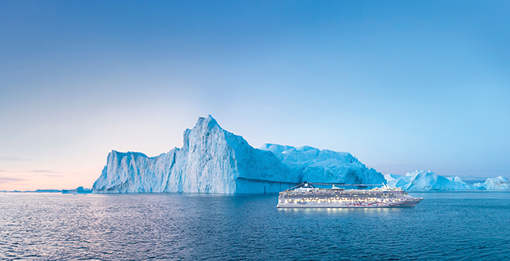
Two NCL ships were recently supplied with 400 tons of the biofuel, with Norwegian Star (pictured) filling up with 200 tons of the ‘B30’ blend during a stopover in Lisbon, and Norwegian Epic following with 200 tons of her own.
The biofuel is produced completely by raw waste materials, with the B30 blend using double the amount of renewables as PRIO’s prior B15 blend.
“Advanced biofuels, produced from residual raw materials, is the result of the circular economy, and are the solution that allows us to immediately face the growing needs of our customers,” PRIO Executive Committee spokesperson Luis Nunes said.
“They are ‘drop-in’ solutions, that is, they did not require any modifications to the engine or tank of Norwegian Cruise Line Holdings’ cruise ships and thus allowed an immediate impact without any need for additional investment in these ships.
“We are going through a crucial moment in the world’s response to climate and biodiversity emergencies, so PRIO believes we can accelerate the energy transition if we increase the contribution of advanced biofuels in the maritime sector.”