NORWEGIAN Cruise Line Holdings (NCLH) is charting a path toward net zero greenhouse gas (GHG) emissions with new short- and near-term targets for its climate action strategy. The revamped objectives are centred around three pillars: efficiency, innovation, and collaboration. They support NCLH’s pursuit of net zero by 2050, and include...
NORWEGIAN Cruise Line Holdings (NCLH) is charting a path toward net zero greenhouse gas (GHG) emissions with new short- and near-term targets for its climate action strategy.
The revamped objectives are centred around three pillars: efficiency, innovation, and collaboration.
They support NCLH’s pursuit of net zero by 2050, and include a GHG intensity reduction of 10% by 2026, and 25% by 2030, when compared to 2019.
The targets cover NCLH’s emissions from its fleet of ships, islands, and facilities, as well as upstream fuel- and energy-related activities, including well-to-tank emissions.
As such, the targets will capture the full “well-to-wake” emissions impact of NCLH’s fuel consumption.
The scope of this commitment expands to NCLH’s entire greenhouse gas footprint, including its network of suppliers and partners across its value chain.
Chief in the strategy is NCLH’s focus on optimising efficiency for its existing fleet, which can have an immediate impact on onboard power consumption & GHG emissions, and can also generate fuel savings.
This includes both ongoing investments in systems and technologies, such as HVAC upgrades and waste heat recovery systems, as well as operational enhancements, such as smart itinerary & voyage planning, and optimisation of hotel operations.
NCLH is exploring partnerships to champion efforts surrounding the development of green fuels along with the global infrastructure to produce, store and distribute these fuels.
The company said it views cross-sector collaboration as a catalyst for effective and accelerated change, which includes its active membership in industry associations and regional forums.
NCLH is also innovating for long-term solutions and technologies, including those which support the ability to operate on green fuels.
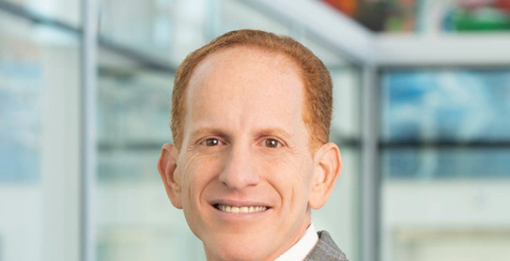
“We are proud to further refine and strengthen our climate action strategy and commitments including by setting milestone GHG intensity reduction targets which will guide us on our ambitious pursuit of net zero by 2050,” said incoming President & Chief Executive Officer Harry Sommer.
“Every aspect of our business from shoreside to shipboard is responsible for doing their part to design, deliver and demonstrate results for decarbonisation and our board of directors has reinforced this expectation by establishing shared accountability and tying incentives for our entire management team to this critical effort,” he said.